
OpenSea responds to the Limit Break security incident: The system is communicating with smart contract ...
On September 26, according to BlockBeats, OpenSea's Chief Technology Officer Chris Maddern responded to the Limit Break security incident by stating that neither of its systems nor smart contracts were affected. The ERC-721 NFT known to be affected has been flagged on OpenSEA and cannot be sold; more than 3,000 NFTs have so far been marked as stolen and banned from trading.
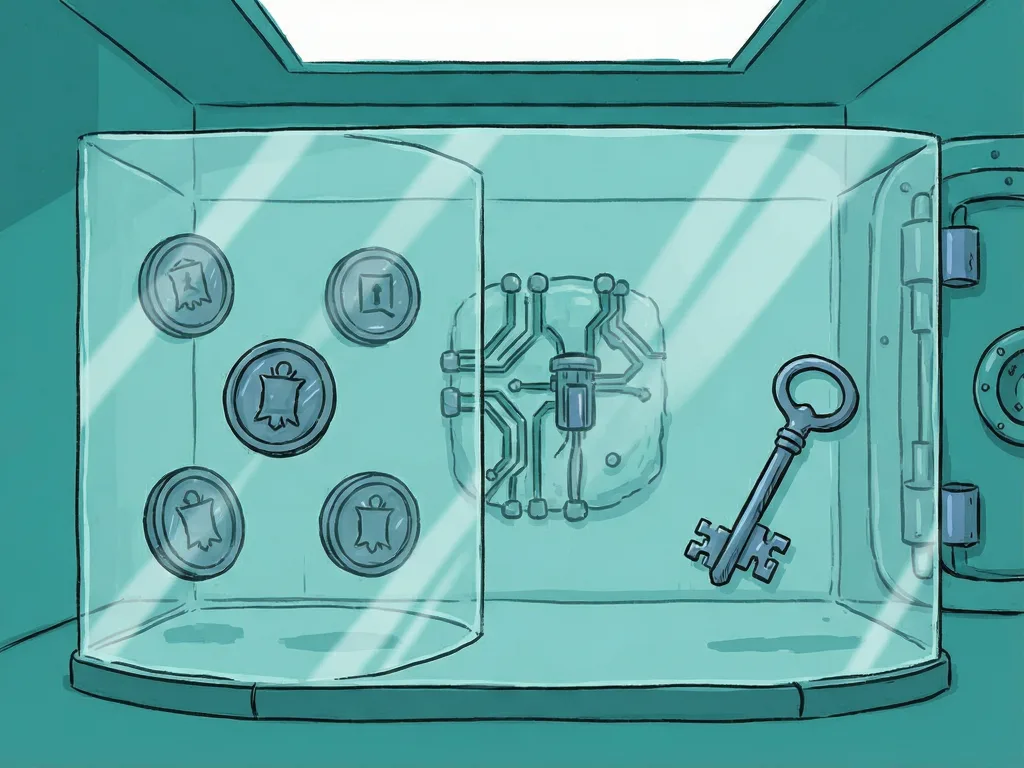
Disposal of platforms: dynamic expansion of the banned list
In response, OpenSea stated that the platform will flag known affected ERC-721 NFTs to prevent them from being sold. For subsequent newly discovered exploited NFT's, it will also automatically flag in order to restrict an attacker from obtaining relevant quotes. Such a disposal is not only for current event listings but for setting up a continuously updated buffer zone of stolen assets on trading markets.
User focus: revoking authorization is more critical than just looking at the banned list
In NFT trading environments, ERC-721 assets may involve the authorization of contracts or third-party operations. Asset transfer risk is not fully removed if users have previously reserved their rights to relevant contracts, platforms or interactive portals. OpenSea mentions that for those users who still have relevant licenses, the platform will prompt a banner through the page and provide links directing users to revoke the license.
This is more straightforward for ordinary holders: platform tokens primarily protect the flow order of OpenSea's trading market, but the authorization status on the chain still needs to be actively checked by users. Withdrawing a suspicious license and avoiding continued licensing to unfamiliar contracts are risk control actions that can be immediately executed by the user. Platform banners and links lower the threshold for self-checking by ordinary users.
Follow-up: Marking scope, removing touch and platform synergies
As of the time BlockBeats reported, more than 3,000 NFTs had been flagged as stolen and banned from trading. OpenSea said it would continue to assist in reducing the impact this industry security incident has on users. There are three follow-up concerns: whether the list of impacted ERC-721 assets will continue to expand; whether automated tagging can cover more newly discovered exploited NFT; and whether other NFT platforms will follow a similar mechanism that forms a more unified identification and prohibition of stolen assets.
From the reader's perspective, this event once again pulls NFT market risk from price volatility back to asset control and licensing security. Users who hold ERC-721 NFT, especially those that have been involved in contract interaction, forging, receiving overdrafts or licensed transactions, need to review their license status; if they intend to trade related NFTs, also pay attention to whether platforms mark them as non-saleable to avoid misjudging liquidity of assets.
OpenSea, Limit Break, ERC-721, NFTs and licensing
Warning signs
This article is for public information only and does not constitute any investment recommendation. There are large fluctuations in the price of crypto assets and NFTs, as well as authorization, security incidents and liquidity risks.
评论