
What does public key and private key mean? Understand that if a coin is not your key, it's not your wallet
Each cryptocurrency account corresponds to a private key and a public key derived from it: the public key can be used for receiving payments in public, while the private key must be kept strictly confidential for signing. This relationship between keys determines who really has control of assets on the chain and is the starting point for understanding digital currency security systems.
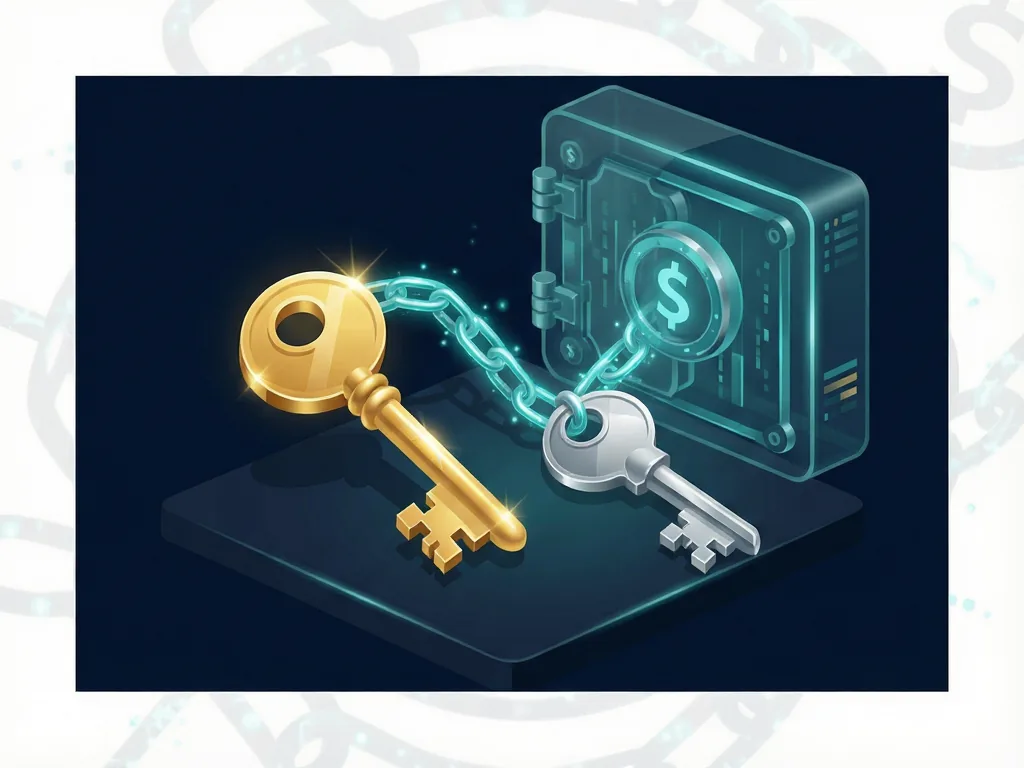
Asymmetric encryption: public and private
The address system of a digital currency is based on asymmetric cryptography. Asymmetry refers to the fact that while public and private keys appear in pairs, they are mathematically associated with each other but function completely differently:
- Public key ((and the receipt address generated by it))It is also possible to share publicly and receive transfers from others.
- Private key: Must be strictly confidential, used for signing transactions to prove that the transfer was indeed initiated by the owner of the address.
This design addresses two seemingly contradictory needs: both to allow someone else to transfer assets to you (address must be public) and to ensure that only you can use these assets (signature rights are reserved for private key holders).
Why private keys are at the heart of asset control
When a transaction is verified by the blockchain network, it only looks at whether or not the token signature is valid and does not verify the true identity of the account owner. As long as there are signatures generated with the correct private key for the transaction, the network will execute this transfer.
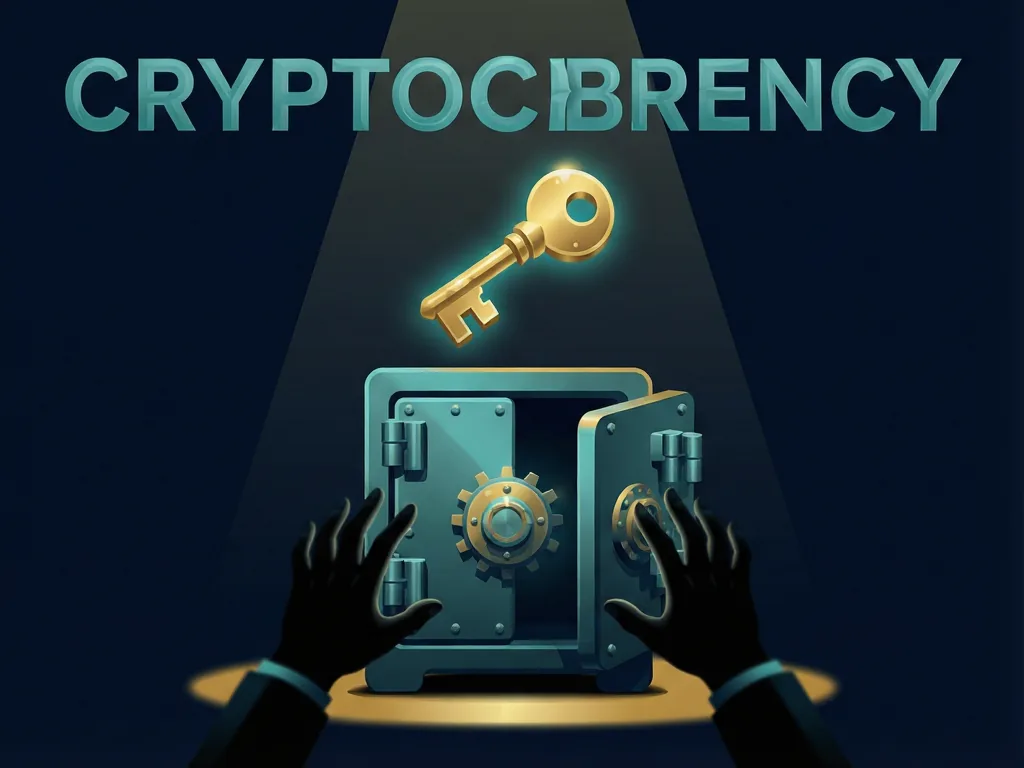
This means that whoever holds the private key has actual control over the corresponding asset, which is unrelated to proof of identity and account binding. For this reason, once a private key is lost, no customer can be reset, no institution can be suspended, and assets are in fact impossible to retrieve.
What does "Not your keys, not your coins" remind us of?
The phrase is widely used in the currency circle and literally means that if you don't have your private key, then it isn't your wallet. It refers to custody risk: when assets are stored on third-party platforms such as exchanges, what users actually hold is just a balance sheet recorded in the database of the platform which is essentially an empty wallet with the private key held by the platform rather than the user himself/herself.
In this state, once the platform has a technical failure, regulatory freeze, internal violation or even collapse, whether users can successfully retrieve assets depends on the operating conditions of the platform and how it is disposed of, not entirely by the user.
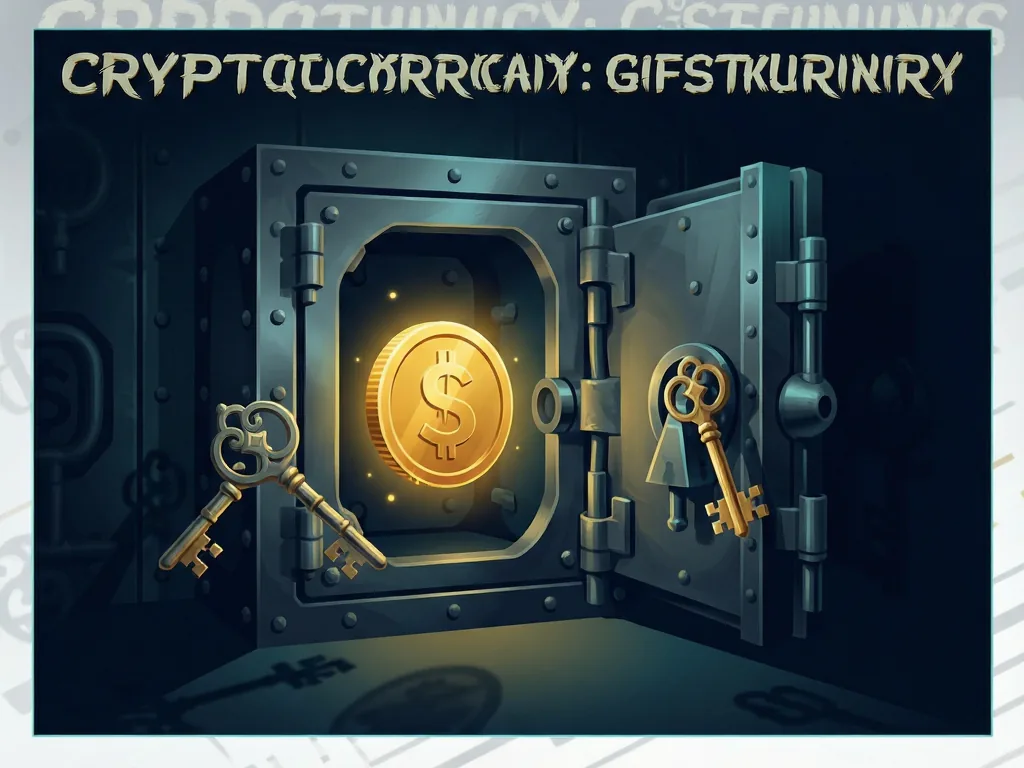
How to balance the exchange with your own private key
It should be noted that this statement is more of a risk hint than a denial to the exchange. Most users will still keep some assets on exchanges for day-to-day buying and selling operations in order to facilitate trading.
The key is to be clear about the difference between these two types of states: a state in which you can't do anything, and a state that doesn't exist.
- Put it on the exchange.It's easy to operate, but the control of assets is in the hands of the platform and it assumes risks on its side.
- Own the private key: The control belongs to the individual, but the responsibility for keeping private keys is also entirely their own and cannot be recovered once lost or leaked.
Understanding the difference between these two models, and then rationally allocating storage according to one's own usage habits is more important than a simple queue.
Warning signsNote: This article is intended to illustrate the basic principles of public and private keys only. It does not constitute investment advice or an evaluation of any exchange's security.
Warning signs
This article is only for the information of knowledge related to cryptocurrency, aimed at the basic principles of public and private keys in KOP. It does not constitute any investment advice. The price of crypto assets fluctuates sharply, and there are great risks associated with private key custody, platform hosting, etc. Please readers combine their own rational judgment, careful decision-making, do not follow blindly.
评论