
KelpDAO has filed a lawsuit against LayerZero etc. for the rsETH cross-chain bridge vulnerability
Summary of eventsHelpDAO sued LayerZero and co-founder Bryan Pellegrino, alleging that the rseth bridge breach was caused by a technical flaw and an intrusion into its security infrastructure. The dispute shifted focus to attribution of liability, and the incident highlighted real-world difficulties in configuring cross-chain bridges safely and holding accountable for accidents.

The labelThe lawsuit was filed in the U.S. District Court for the Southern District of New York, where it is still pending.
Featured mapAbstract tech-finance style, network nodes, cross-chain bridges, shields and elements of judicial scales, cold tone, no real people, exchange trademarks or specific price figures.
Lawsuit to bring the Chain Bridge Accident to Justice
According to BlockBeats, on September 25, KelpDAO said in a statement that it had sued LayerZero and its co-founder Bryan Pellegrino over the rSETH crossover breach earlier this year. The central fact is: instead of just explaining the cause of the breach through public statements, Kelp has taken the dispute to court for legal action seeking accountability from both Layerzero and related individuals for losses. Such lawsuits are important for the crypto industry because they often involve technical flaws, configuration reviews, user asset disposal and responsibility allocation.
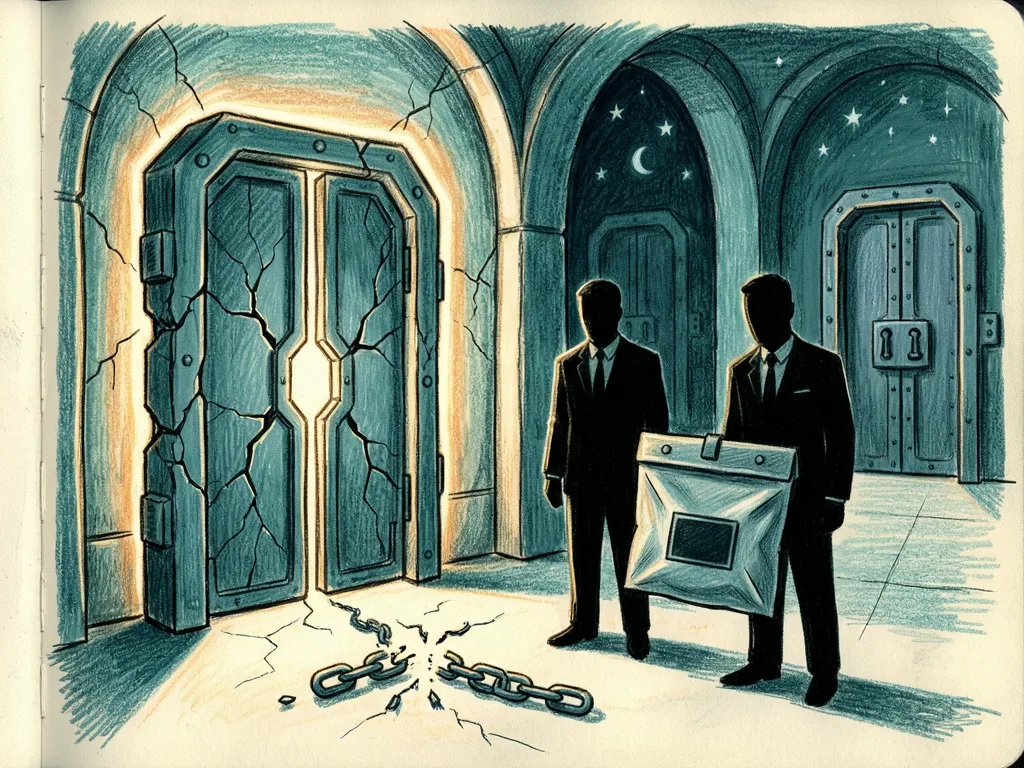
Kelp accuses technical flaws and lack of security infrastructure
In the complaint, Kelp alleges that LayerZero's vulnerabilities and security infrastructure were compromised due to its own technical flaws. It argues that it did not disclose the weaknesses and risks of the technology itself, while failing to prevent an attacker from breaking into its security infrastructure in order to exploit the vulnerability. This statement extends the focus from a single attack to whether the platform has exhausted its risk disclosure and security protection obligations.
Controversy: Who approves the configuration in advance
LayerZero and Bryan Pellegrino have publicly blamed the breach on Kelp in recent months. In response, Kelp said that it had previously reviewed and approved its deployment and configuration of the technology in writing. In other words, there are different narratives as to who should be responsible for security status before going online: one side considers configuring and using responsibility on the protocol side, while the other emphasizes a review by the bridge side.
Follow-up: What does accountability mean?
The short-term view of this case is whether the judicial process will reveal more technical details, review records and liability on the chain of events. The medium to long-term impact is broader: for agreements involving assets such as rsETH and cross-chain products, accident disclosure, audit confirmation, written review opinions may be converted from bribery industry practices into legal evidence; For developers, compliance with the choice of standard bridging schemes, safe migration and user asset isolation measures will increase in value.
Warning signs
This article is for public information only and does not constitute an investment recommendation. The progress of the rseth cross-chain bridge vulnerability and related lawsuits remains uncertain, and crypto asset prices fluctuate significantly.
评论