
United States Commodity Futures Trading Commission (CFTC) staff issued advisory: Forecast markets are vulnerable to manipulation of futures contracts
Review: Regulatory action triggered by a ticket
Three weeks ago, a denominator operator was fined by the regulatory authorities for conducting transactions using his position. The operator had access to lectures in advance before the market announcements were officially released and made profits from them. This case exposes weak links in the information transmission chain - not only insiders of financial institutions may constitute insider trading but also outsourced positions are at risk of misuse of information.

Now that the regulators have dealt with this case, they are further publishing compliance disclosure requirements to be met by exchanges and turning enforcement cases into institutional constraints.
What exchanges have to prove: The core of the new rules
Under the guidelines issued by regulators, exchanges are required to demonstrate compliance capabilities in the following areas:
Effectiveness of the information isolation mechanismExchanges must explain how their internal information walls are set up, including how to restrict access to sensitive data (such as listing announcements, index adjustments and pending research) before they can be made publicly available.

Monitoring of employee and related persons transactionsExchanges need to establish a transaction reporting system that covers full-time employees, outsourced personnel and third party service providers, ensuring that any person who may have access to undisclosed information is included in the scope of monitoring, not limited to core business positions.
Process for identifying and reporting abnormal transactionsExchanges are required to report transactions that appear highly consistent with undisclosed information to regulatory authorities within the prescribed timeframe and maintain a complete record of investigations.
Why Expand to Outsourcing
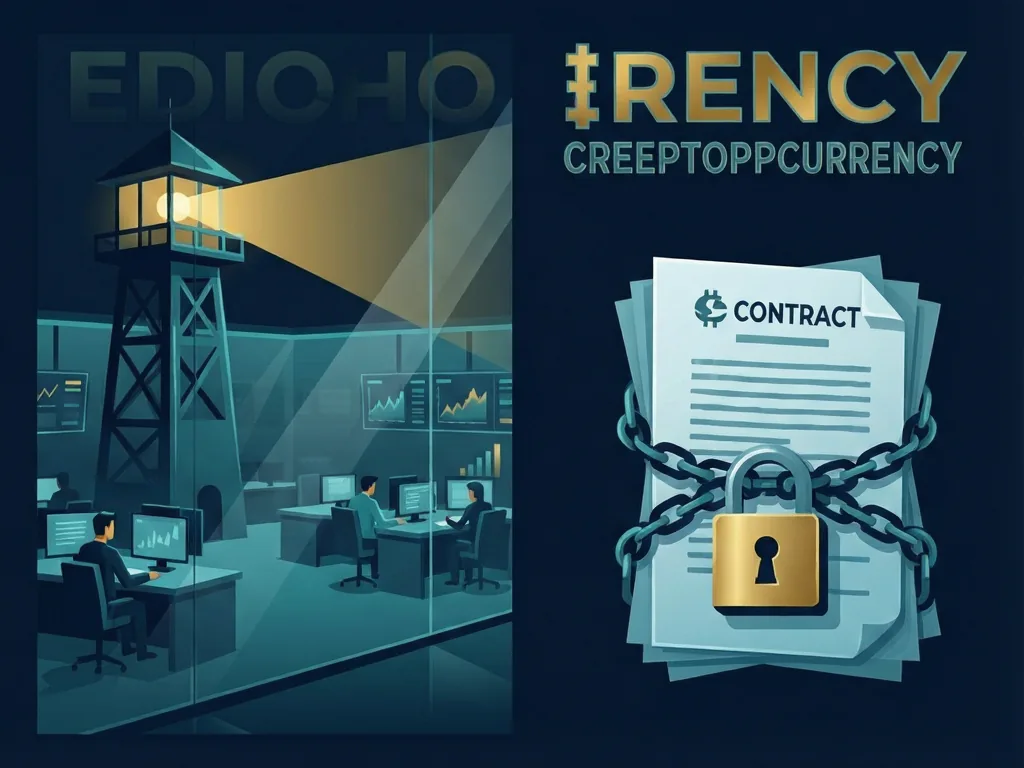
The special feature of this case is that the persons involved are not financial practitioners, but technical service personnel who are responsible for operating the terminator. The regulatory authority hereby expressly states: information isolation obligations are not exempt due to the nature of their position.
For exchanges, this means that the radius of compliance review needs to be extended from internal employees to the entire information access chain including outsourcers, temporary staff and other collaborators. There is a widespread belief in the industry that exchange compliance costs will rise somewhat in the short term, especially with regard to reconsidering confidentiality clauses in supplier contracts.
Market impact and follow-up
The introduction of the new regulation is seen as a signal that regulators are shifting from post-crime punishment to pre-crisis deterrence. For ordinary investors, stricter information segregation mechanisms mean further guarantees of market fairness; for industry bodies, it means an overall upgrade in compliance systems.
Subsequent developments of interest include: timelines for exchanges to submit proofs of compliance, whether regulators will issue more detailed operational guidelines on similar outsourcing cases and the first inspections or penalties under the new rules.
Warning signsThis article is for informational purposes only and does not constitute any investment advice. crypto asset Prices fluctuate wildly, there is a risk of capital loss involved in the transaction, please make prudent decisions based on your own risk tolerance and comply with relevant laws and regulations in your area.
评论