
SoFi collaboration shows that stablecoin can be an alternative channel for settlement of blockchain
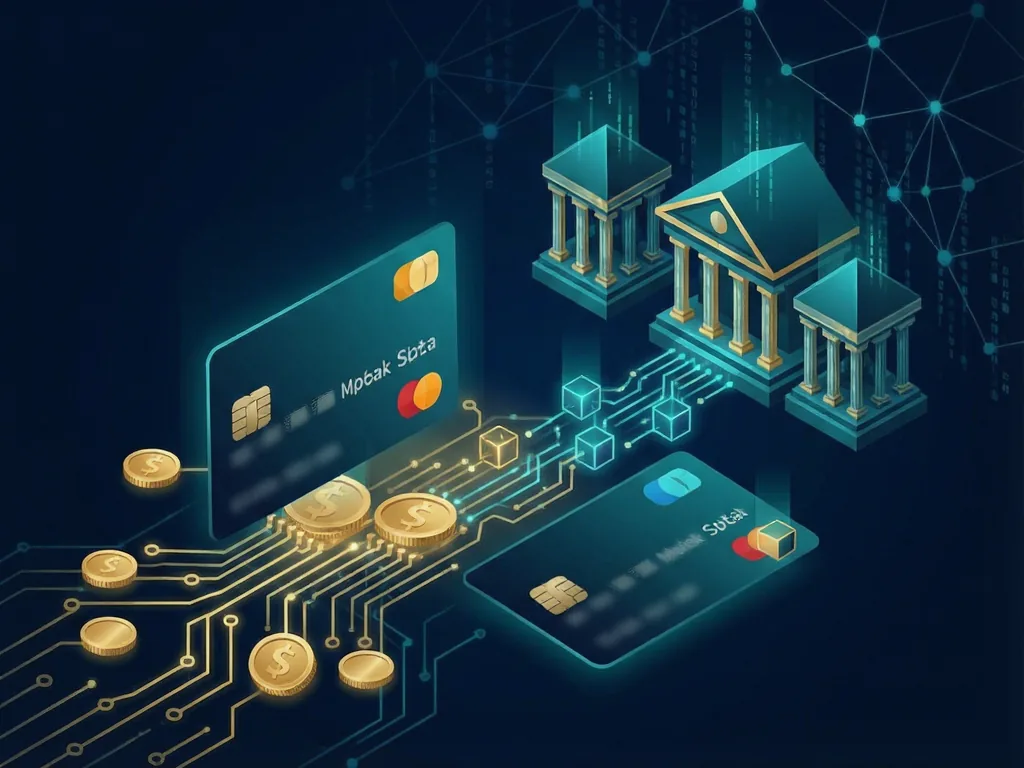
SoFi announced this week that it has begun using its stablecoin SoFiUSD to transact with the Mastercard settlement debit card and credit card , and plans to migrate the entire bank card project to the system. The project's annual transaction volume is expected to exceed $25 billion. This move means that credit card is being embedded into the traditional bank card , but changes are made not in how consumers pay, but in the channels for clearing funds between institutions.
Consumer insensitivity, change at the clearing level
According to a SoFi spokesperson told Cointelegraph, the adjustment does not remove intermediaries from the card settlement process but instead provides an alternative clearing trajectory based on blockchain . Cardholders will still use debit card and credit card as usual, but this allows banks to complete transactions more quickly.
In other words, stablecoin replaces the banking channels traditionally used to settle debts between participants rather than Visa, Mastercard or banks themselves.
Visa is also moving towards on-chain settlement. In April, the company disclosed that its stablecoin settlement pilot had reached an annualized $7.0 billion in size and would support network expansion to nine blockchain s, saying 880001 was a viable complement to traditional settlement trajectories.
Industry: We can't talk about the intermediary makeup at this stage
Martins Benkitis, co-founder and CEO of Gravity Team told Cointelegraph: "Well I wouldn't call this stage decentralization. Visa is still there with Mastercard ; the banks are still here; the network is still calculating debts, managing transactions and determining how participants interact".
This means that stablecoin may occupy a larger share of the payment system, while businesses and consumers do not need to directly engage with it. Benkitis believes that even if it becomes an important part of payments, most companies are still concerned about whether settlement can be paid on time rather than whether there is stablecoin .
Federal Reserve researchers also noted in a March report that stablecoin could change the economic structure of the payments industry, but not necessarily replace banks.
Faster settlement does not mean cheaper
Truth Ventures founder and venture capitalist Varun Datta believes that continuous settlement can reduce the latency , reducing the amount of money businesses use to pay for business at various points, especially in cross-border scenarios. But he reminds that these gains do not necessarily translate into lower payment costs such as exchange rates, compliance, system integration and management costs still need to be factored in.

The speed on blockchain does not automatically mean that end-to-end payments are cheaper, says Datta, who hopes to see evidence of lower overall costs and improved liquidity management at a larger scale before deciding it's economical.
The last kilometer is still dependent on local mobility
The problem becomes more complicated when stablecoin ultimately needs to be converted into a local currency. Benkitis points out that it takes only minutes for the USD stablecoin to move between balance sheets, but in emerging markets final payments are much harder: there is less liquidity in local currencies, fewer banks handle related funds and still need access to domestic banking systems.
The stablecoin will get the value in place quickly, he says, but you'll still need local liquidity to make payments.
For the industry, SoFi and Visa's moves indicate that stablecoin is penetrating into payment systems in a clearing-orbit rather than consumer-end mode; it remains to be seen whether more banks will follow suit with this migration and if the cost advantage of on-chain settlement can be verified at scale.
评论