
Shares token : The divide that no one can bridge alone
The regulatory framework for token chemicals is in the process of being shaped. Under an exemption arrangement given by the Securities and Exchange Commission (SEC) ( SEC ), large-cap stocks such as on-chain are restricted to 0.25% of that stock's daily average, while other listed shares are limited to 2.5%, with the aim of limiting price displacement impacts on underlying stocks. Offshore shares issued by institutions like Robinhood addressed to non- United States holders can continue operating in their existing form if they do not fall within the jurisdiction of SEC .
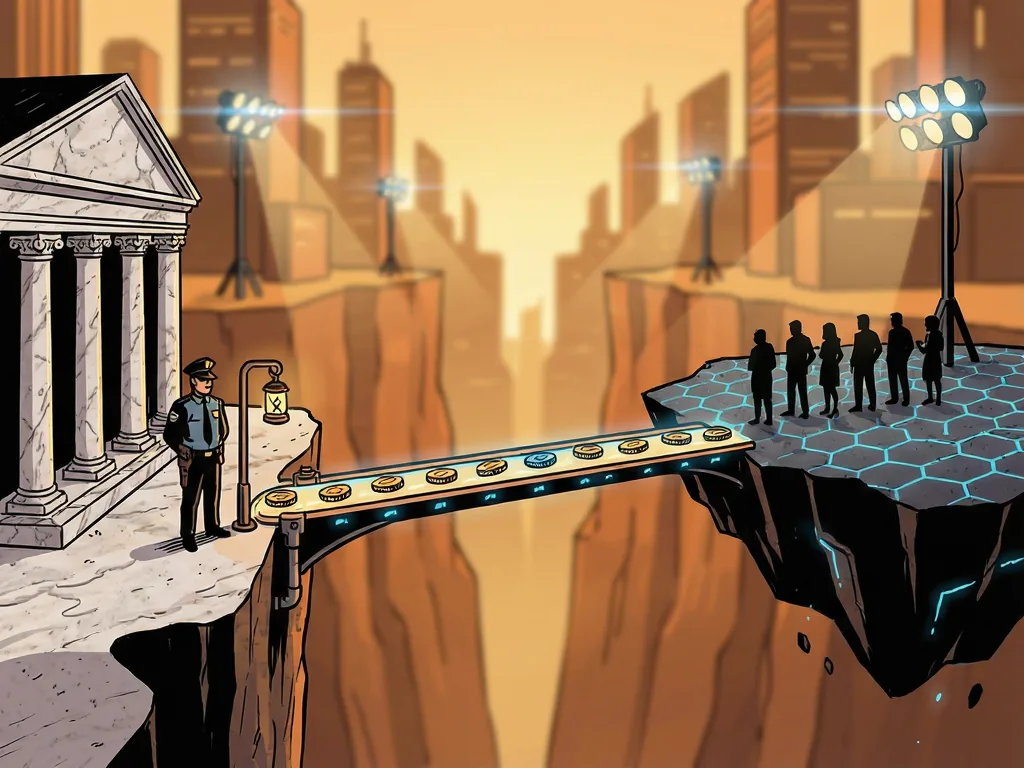
What is Stock token and Why Is There a Demand?
Stock token (Stock token ) is a token that maps US equity interests to blockchain , giving investors who do not have direct access to the United States stock market an outlet. This type of trading is particularly useful in emerging markets where it may be difficult or expensive to trade American stocks.
Robinhood shares token currently covers more than 190 companies, for users in 120 countries; there are similar products xStocks and ONDO , only the underlying technology path is different. In overseas markets, this model does not require issuer approval, registration on a shareholder register or authorization from each market. This is both the reason for its wide coverage and the source of counterparty risk borne by holders.
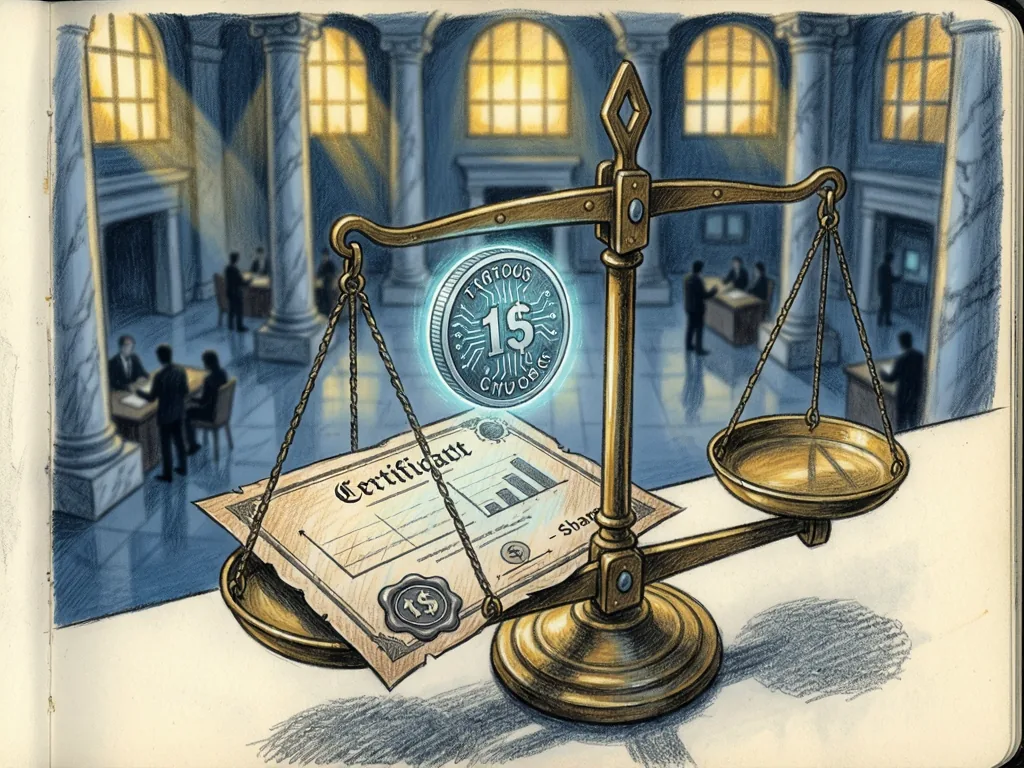
Why regulatory caps?
SEC 's exemption clause pegged on-chain to the daily average of trading volume precisely in view of a transmission problem with price misalignment: when token is disconnected from its benchmark share price, excess transaction size could adversely affect spot markets. The 0.25% and 2.5% cap means that there are ceilings on the path to regularization for chemical transactions in token , while large-scale issuance will still take place primarily through offshore channels.
The post-liquidation premium is the cost actually incurred by holders
A key constraint on the token stock is not its issuer's arrangement, but rather the timing of trading in the underlying market. Price discovery does not stop after a NYSE or NASDAQ close; many brokers and institutions are still operating during off-peak hours, accepting order flows from inside and outside the United States , and hedging risks through overnight venues and derivatives. The problem, however, is that once the parent exchange closes, the ability to acquire large quantities of underlying stocks will be greatly reduced.
In other words, the holder holds a coupon but there is no market to redeem it at any time. The normal trading hours on the New York Stock Exchange are only 32.5 of 168 hours per week. Outside this period, the premium between the token price and the most recent closing stock price is the buyer's own risk and is paid by the buyers when opening prices close.
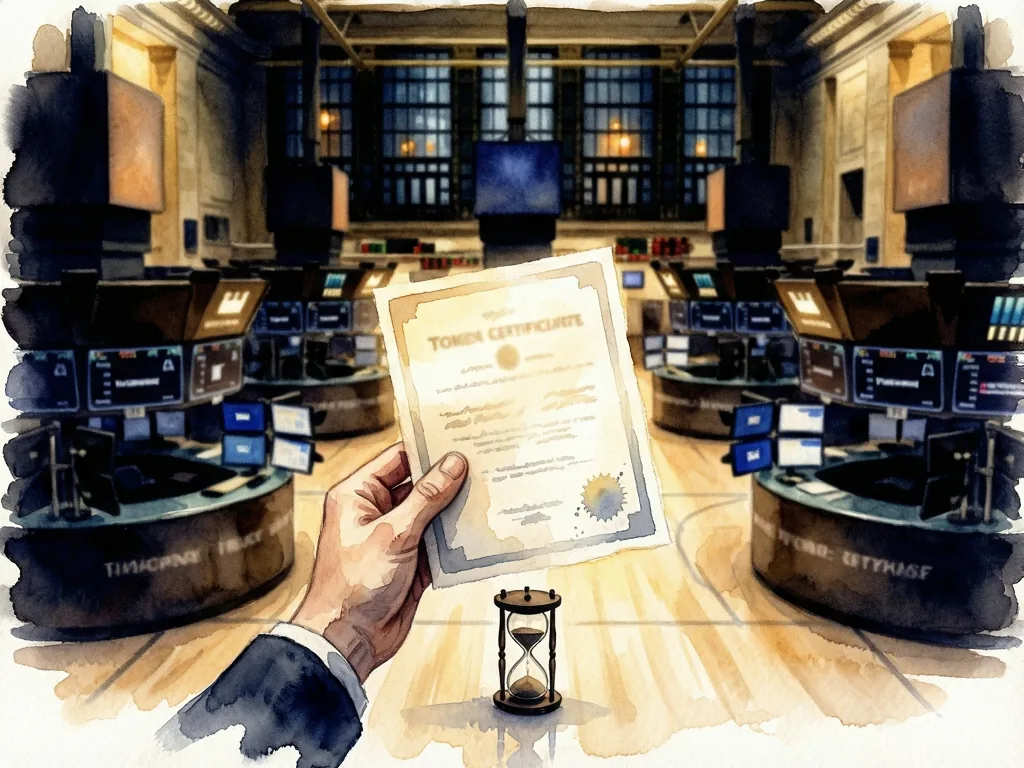
What it means for the industry
Practices with Robinhood , xStocks and ONDO show that token shares are already technically run on the issuing end. The real variable is both regulation and liquidity. Compliance pathways are constrained by SEC caps, while offshore routes rely on holders self-absorbing counterparty risk and post-liquidation premiums.
(This article is based on public information only and does not constitute investment advice.
Warning signs
This article is for informational purposes only and does not constitute any investment advice. crypto asset shares are subject to sharp price fluctuations, lack of liquidity, uncertainties such as counterparty risk and regulatory policy changes that may result in capital losses. Readers should use their own rational judgement, make independent decisions, and bear the investment risks themselves.
评论