
Blast will phase out its Ethereum layer 2 network after costs have exceeded revenue.
Blast, an Ethereum layer-2 network, announced on Friday in a post on X that it is shutting down because its operating costs have exceeded the revenue generated by the chain. The team said it sees no credible path to making the network economically sustainable and told users to withdraw their assets to Ethereum mainnet. For layer-2 networks, sustainability depends on whether user activity and chain revenue can cover operating costs. Blast’s decision says that balance no longer held. The announcement also sets a clear deadline: users have until Oct. 26 to exit through Blast’s interface, after which the remaining path to their assets will run through the Blast bridge contracts on Ethereum.
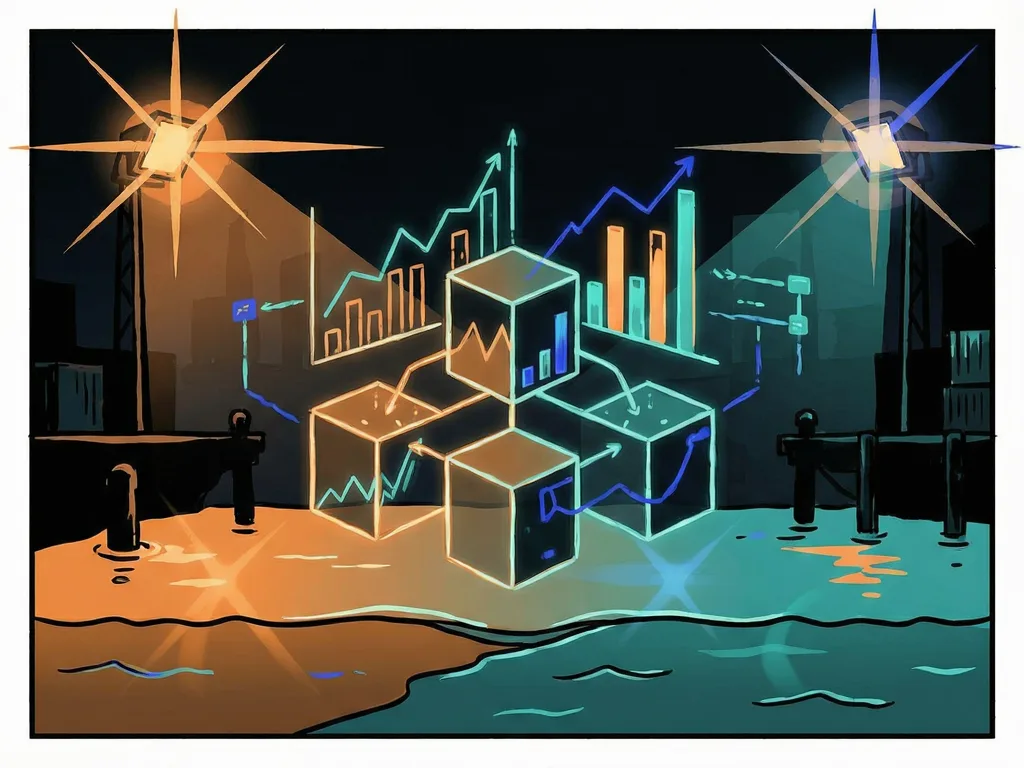
Withdrawal mechanics and the Oct. 26 cutoff
The shutdown is not an immediate loss of access, but it changes how users must move funds. Blast said it will reduce its withdrawal delay to 24 hours, shortening the time users normally wait after requesting an exit. However, withdrawals will be temporarily unavailable while Blast unwinds its Lido assets, a process the team expects to take about a week.
That means users who rely on the normal interface may need to wait before they can move assets, even as the project winds down. Blast said it will publish instructions for withdrawing directly through the bridge contracts before the Oct. 26 cutoff. It also urged users to move assets to Ethereum mainnet before that date.
After Oct. 26, Blast said assets will remain accessible, but withdrawals will require users to interact directly with the Blast bridge contracts on Ethereum. That shift moves users from a managed interface to a more technical on-chain process, increasing the operational burden for anyone who has not already withdrawn.
For users, the practical takeaway is that Oct. 26 is not a hard cutoff for losing funds. It is the deadline for using the simplest exit route. Assets will remain accessible, but the path becomes more manual and dependent on interacting with Ethereum contracts.
From Blur’s NFT boom to a $2 billion deposit surge
Blast’s rise was tied to the earlier wave of interest around Blur, the NFT marketplace founded by Tieshun “Pacman” Roquerre. Blur launched in October 2022 and quickly challenged OpenSea by targeting professional traders with token incentives. By the end of 2022, Blur had surpassed then-leading NFT marketplace OpenSea in trading volume, and it extended its lead in early 2023, helped in part by its token airdrop and trader rewards.
Roquerre unveiled Blast in November 2023 with native yield on Ether (ETH) and stablecoins and a points program tied to an anticipated token airdrop. That incentive design helped attract more than $2 billion in deposits before Blast’s mainnet launched in February 2024.
The project was built around the idea that yield, points, and a future token could support a chain intended to be self-sustaining for users and developers. Blast said that was its launch goal, but the team concluded that the economics of operating the chain no longer make sense. The announcement shows how quickly a growth model can turn fragile when the incentives that attract capital stop generating enough recurring revenue.

TVL collapse and the NFT market downturn
The network’s growth proved difficult to sustain amid a broader downturn in the NFT market. DeFiLlama data shows Blast’s DeFi TVL peaked at roughly $2.2 billion in June 2024 and has fallen by more than 98% since then. The decline mirrors the pressure on the NFT marketplace that inspired it: Blur’s total value locked rose above $200 million at its early-2024 peak and now stands at about $27 million.
The comparison matters because it shows the shutdown is not only a cost problem for one layer-2 network. It reflects how quickly incentive-driven liquidity can reverse when the market cycle, trading activity, and yield demand weaken. For users, the result is a chain that no longer generates enough revenue to cover operating costs and must unwind positions, including Lido assets, before users can move assets back to Ethereum mainnet.
The next visible step is the publication of bridge-contract withdrawal instructions before Oct. 26. If those steps are followed, the main risk for many users is timing rather than final access. If they are not, the remaining path to the funds will require direct interaction with Ethereum contracts, a step that can be more difficult for users accustomed to layer-2 interfaces.
Risk Disclaimer
This article is an informational summary of public reports and does not constitute investment, financial, or legal advice. Crypto assets, including layer-2 network tokens and related protocols, can be highly volatile and may lose value quickly. Users should independently assess risks such as withdrawal delays, contract interactions, and regulatory uncertainty, and only take actions with funds they can afford to lose. Always research carefully and seek professional advice before making decisions.
评论