
The US Federal Reserve proceeds with proposals to implement the GENIUS Act for stablecoins.
The Federal Reserve on Thursday proposed rules that would treat certain third-party stablecoin reward arrangements as prohibited payments of interest or yield, while signaling a narrow path for platforms to offer incentives similar to credit-card programs. The proposal also leaves the GENIUS Act in charge of stablecoin rewards after efforts to revise it through the recently failed Digital Asset Market Clarity Act did not succeed.

Third-party arrangements face a narrow exception
The Fed wrote that “certain types of arrangements involving third parties would be presumed to be prohibited payments of interest or yield.” It said its approach is consistent with the Office of the Comptroller of the Currency’s approach.
The regulations are not final, but the agencies appear to be allowing crypto platforms a very narrow way to offer stablecoin rewards that resemble credit-card incentive programs rather than yield payments.
Coinbase reward question tied to failed Clarity Act
The proposal lands after the question of how much companies such as Coinbase could reward stablecoin users became a sticking point in the debate over the recently failed Digital Asset Market Clarity Act.

Because those revision efforts did not succeed, the GENIUS Act is now the primary law governing stablecoin rewards.
Capital, reserve and activity rules precede public comment
The central bank’s first proposal on Thursday governs capital and reserve requirements meant to ensure that stablecoins are fully represented by the most liquid assets and that issuers have a solid foundation in times of stress.
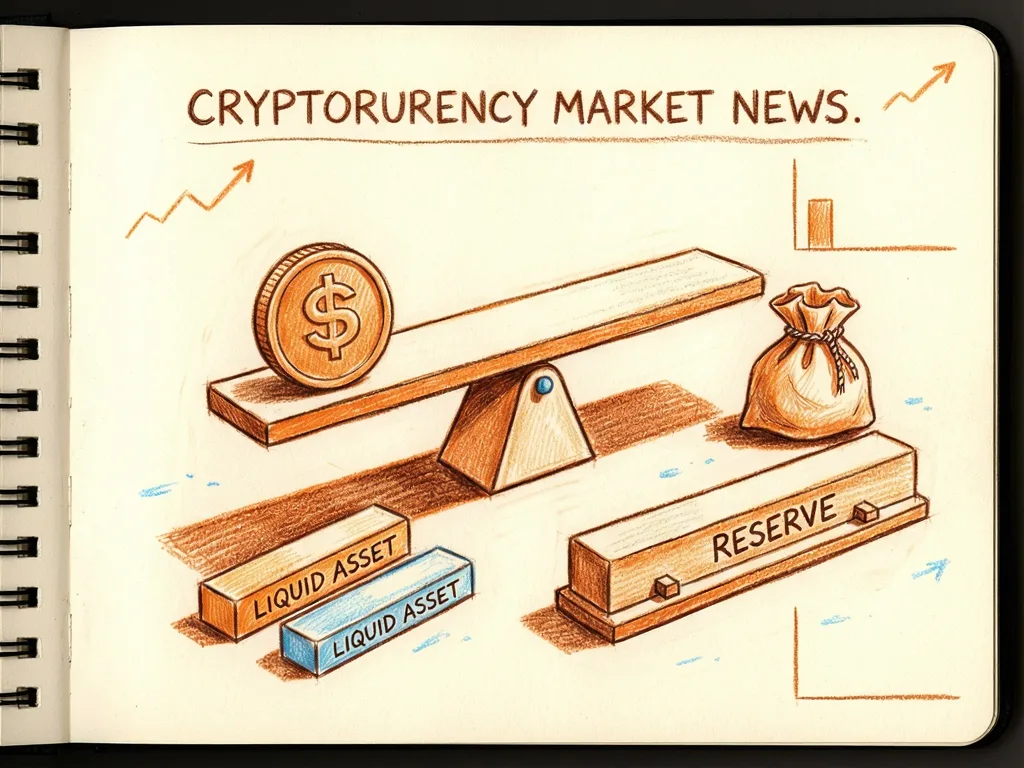
It also outlines accepted stablecoin activities at the Fed’s supervised banks. That same proposal includes the stablecoin rewards component.
Final rules may take months
Proposed rules like the ones offered by the Fed on Thursday need to gather input from the public before the federal regulator can revise them and publish them in final form. The process usually takes several months and sometimes much longer.
Until then, stablecoin rewards remain governed by the GENIUS Act while the Fed’s proposed rules are not final.
Risk Disclaimer
This article is an informational summary of regulatory developments and does not constitute investment, legal, or financial advice. Crypto assets, including stablecoins, can be highly volatile, subject to regulatory uncertainty, liquidity risks, and rapid price changes. Readers should not rely solely on this content when making decisions. Please conduct independent research, assess your own risk tolerance, and consider consulting a qualified professional before engaging in any digital-asset activity.
评论