
RWA Fourteen years in the making: from colourful coin concepts to a trillion dollar market
A compiled article published by Foresight News, authored by Seth and edited by Luffy, reviews the 14-year evolution of real-asset tokenization. The article puts cryptocurrencies, STOs, sovereign wealth funds and on-chain credit in the same timeline, pointing out that the industry's early bottleneck is not whether an asset can be linked, but rather a lack of trustworthy trusteeship, compliance frameworks and secondary liquidity. For readers, this means RWA's narrative is shifting from being tied to assets to being used on chains.
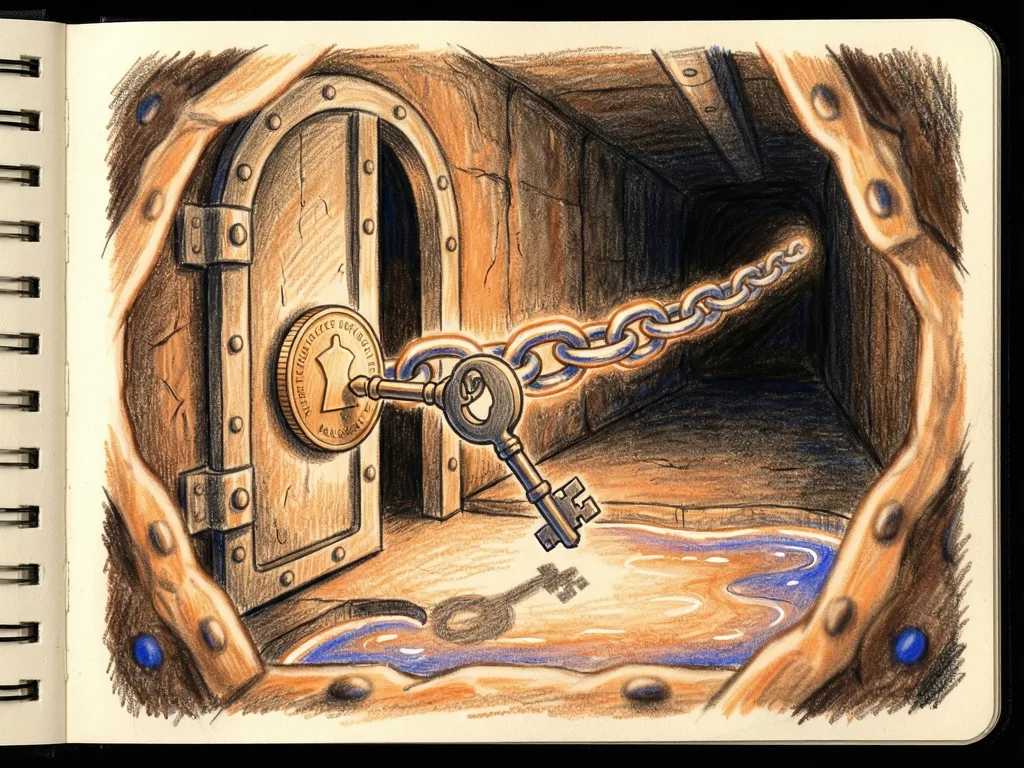
Colored coins and STOs: Infrastructure problems cannot be solved by imagination
The colored coin concept maps physical assets to the chain, while STO brings securities issuance into a tokenization context. These stages prove that the chain can record asset status but cannot automatically address legal rights, issuers, custodial responsibilities, audit disclosures and counterparty risk. In other words, an up-chain is just a registration which really determines whether or not it's clear underlying rights are circulating, if certificates on the chain are verifiable, and if there are enough buyers and sellers in the marketplace.
Entry of institutions to boost sovereign debt and credit formation
After the arrival of institutions and platforms such as Blade BUIDL, Franklin Templeton BENJI, Ondo, Maple, tokenized sovereign bonds, private credit and yield-oriented assets began to take shape. Compared with traditional cryptoassets, tokenised sovereignty funds are often seen as entrances that connect real interest rates to chained capital, whereas private credit requires more complex cash flow identification and risk pricing. The entry of institutional products has shifted RWA concepts from narrative to observable issuance, custody and investment structures.
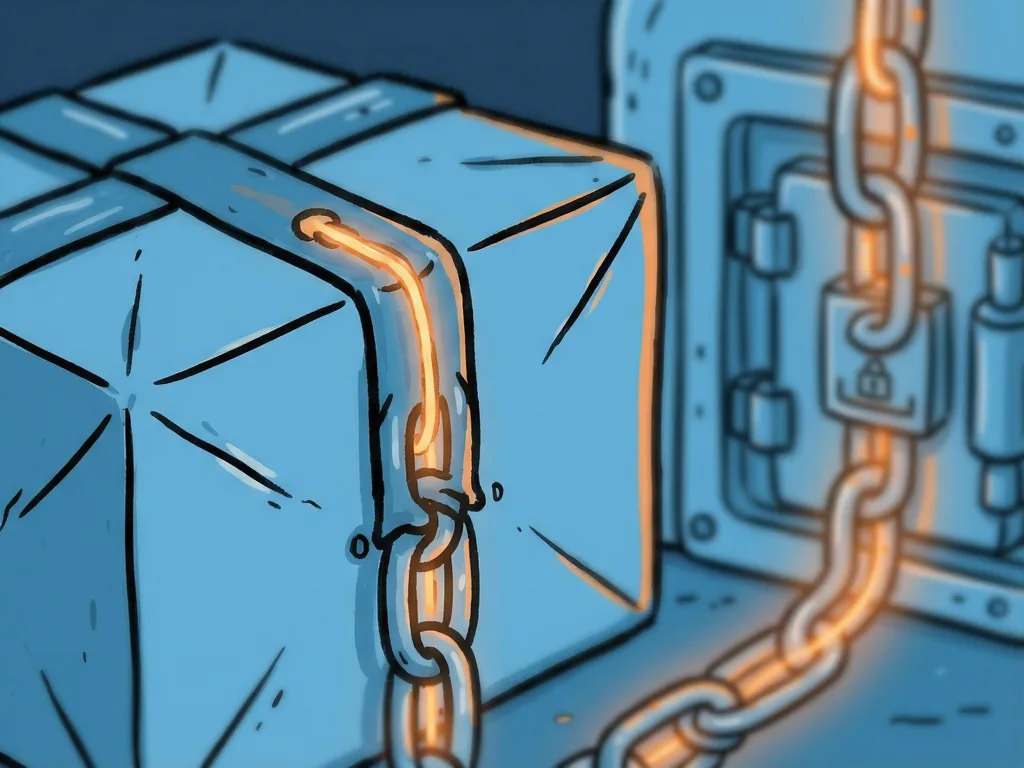
The key to RWA 2.0 is not distribution, but circulation
The judgement given in the original article is that most RWA assets still lack real upstream flows. The industry is shifting from a purely brick-and-mortar RWA 1.0 to an RWA 2.0 which can be used as collateral, access DeFi and continuously generate effects on the chain. This means that after tokenization of the asset, it must also be accepted by borrowing agreements, carried by derivatives and settlement systems, cited by cross-chain environments, and found only when secondary market prices are formed.
Follow-up views and readers' understanding
The next concern is not whether a certain asset class will be on-chain, but whether four conditions can simultaneously mature: trusted governance, compliance frameworks, secondary liquidity and DeFi integration. For the general reader to understand RWA needs to distinguish between displaying assets on the blockchain and those that are available on it: the former merely maps an asset onto the blockchain, while the latter allows assets into the financial system to continue generating revenue, collateral or settlement; the extent of regulatory boundaries, institutional involvement and actual use of data will determine RWA's transition from narrative stage to infrastructure phase.
descriptionThis article reviews the evolution of real-asset tokenization over fourteen years, bridges the developmental nexus between cryptocurrencies, STOs, sovereign wealth funds and on-chain credit, and explains why trust management, compliance frameworks and secondary liquidity became early bottlenecks. The article points out that the key to RWA 2.0 is not asset-on-chain but mortgages, DeFi access and continued on-line availability, helping readers understand the conditions for forming a trillion dollar racetrack.
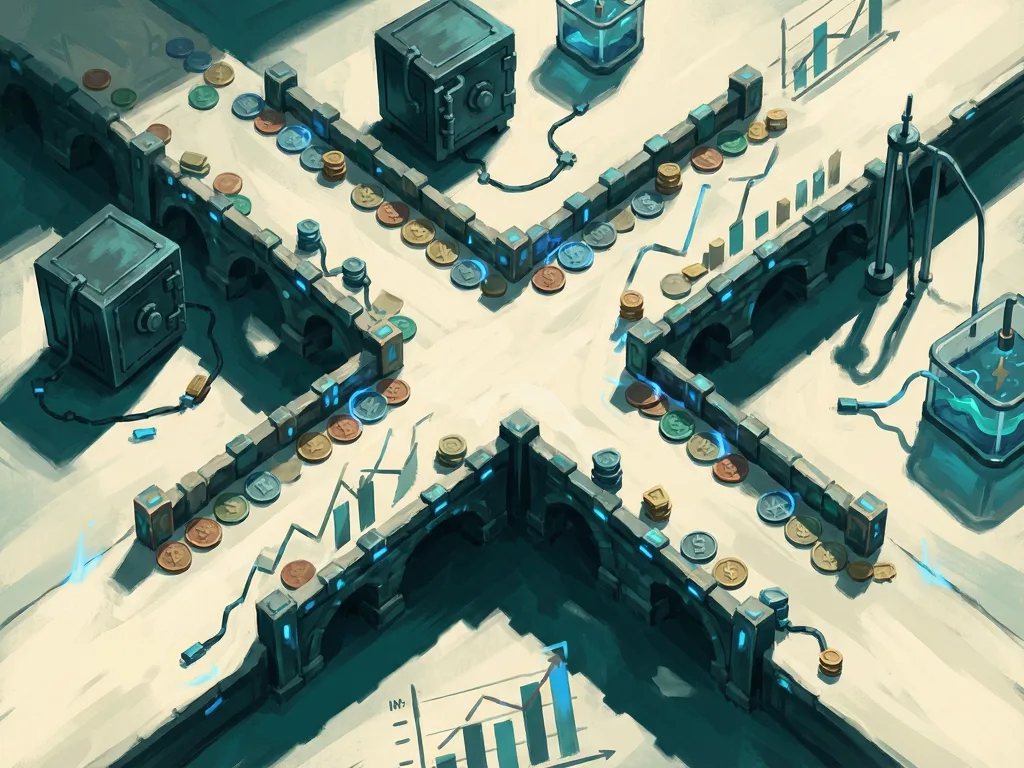
The labelRWA, tokenization of real assets and sovereign bonds, on-chain lending and DeFi
Featured mapAbstract tech-finance style, gold network nodes intertwined with blue chain on the tracks representing real asset tokenization and DeFi connections; no real person, exchange trademarks or specific price figures.
Warning signs
This article is for informational purposes only and does not constitute investment advice. The tokenization of physical assets with crypto asset price fluctuations are large, there is uncertainty in regulation, custody and liquidity. Please use reason, independently assess the risks, avoid blind investments
评论