
Binance is offering 50 USDT referral rewards to expand its African peer-to-peer merchant network.
Binance launched a new peer-to-peer merchant referral campaign on Thursday across around 20 African markets, offering 50 USDT to both the referrer and each qualifying new merchant. The promotion runs from October 8 through November 7 and covers Kenya, Ghana, South Africa, Uganda, Rwanda, Zambia, Zimbabwe and several countries in West and Central Africa. The reward is not paid for simply sharing a referral link: the new merchant must complete at least 10 trades with 10 different counterparties and reach cumulative trading volume of at least 10,000 USDT equivalent within 30 days of registration.

The campaign rewards active merchants, not registrations
Binance is paying users to bring in merchants who actually trade, not just accounts that are created. The structure of the campaign makes that clear. A referral only produces a reward when the new merchant meets a set of activity thresholds inside a defined period. Those thresholds include 10 trades, 10 different counterparties and 10,000 USDT equivalent in cumulative volume within 30 days of registration.
That design points to the exchange’s likely objective: active liquidity. In a peer-to-peer marketplace, the value is not simply the number of registered merchants. The value comes from merchants who are available, willing to trade, able to quote prices and payment methods, and active enough to absorb user demand.
Each referrer can earn rewards for a limited number of successful merchant introductions. Binance says payments will be distributed after the qualifying conditions have been met. The campaign therefore ties the reward to real trading activity rather than to a one-time sign-up.

Why Binance is paying for P2P liquidity in Africa
Peer-to-peer markets work differently from a normal exchange order book. Instead of relying only on a centralized matching engine, P2P depends on merchants who quote prices and accept specific payment methods. Those merchants connect users who want to move between local fiat currencies and crypto, often using assets such as USDT.
Africa has been one of the strongest regions for that model. In markets where users face expensive international transfers, currency restrictions or inconsistent access to banking, P2P crypto can provide an alternative route into dollar-denominated assets such as USDT. The usefulness of the marketplace depends on having enough reliable merchants available across different banks, payment systems and currencies.
That is why the campaign focuses on the supply side of the network. A centralized exchange can offer a deep USDT market, but that does not automatically solve the problem of getting local currency into or out of the platform. P2P merchants fill that last-mile gap. The model is particularly powerful in countries where conventional crypto payment rails are thin.
The trade-off: growth with compliance hurdles
The same P2P structure that helps users move money locally also creates operational challenges. Peer-to-peer trading can attract fraud, payment disputes and attempts to move money outside established compliance controls. Binance therefore requires merchants to go through verification and can impose additional business onboarding requirements.
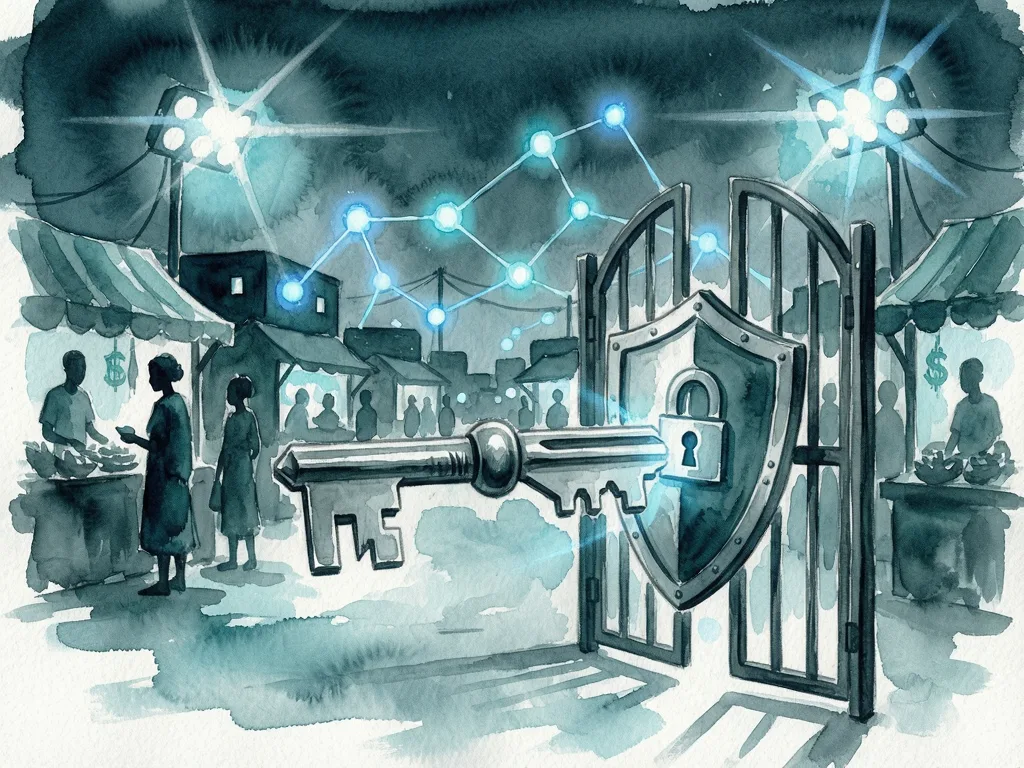
The referral campaign expands the network while keeping those qualification hurdles in place. The new merchant does not qualify simply by opening an account. The account must be used for a minimum number of trades, with a minimum number of different counterparties, and with enough volume to demonstrate active participation in the marketplace.
For Binance, the math is simple. More verified merchants mean more payment options, tighter spreads and a better chance that a user can find someone willing to trade when they open the P2P marketplace. Fifty dollars is not an enormous acquisition cost for a merchant capable of generating repeated local trading volume.
The campaign is another sign that Binance still sees P2P as a strategic product even as regulated spot exchanges and stablecoin payment apps expand around the world. The next question for users in the covered markets is whether the campaign brings enough verified merchants to make the P2P marketplace easier to use when they need to move between local currency and USDT.
Risk Disclaimer
This article is an informational summary only and does not constitute investment, trading, or financial advice. Cryptocurrency and stablecoin-related products can experience rapid price swings, regulatory changes, liquidity constraints, and platform-specific risks. Binance P2P merchant referral rewards depend on meeting activity, verification, and eligibility conditions. Users should independently review campaign terms, assess counterparty and compliance risks, and make rational decisions based on their own circumstances and risk tolerance.
评论